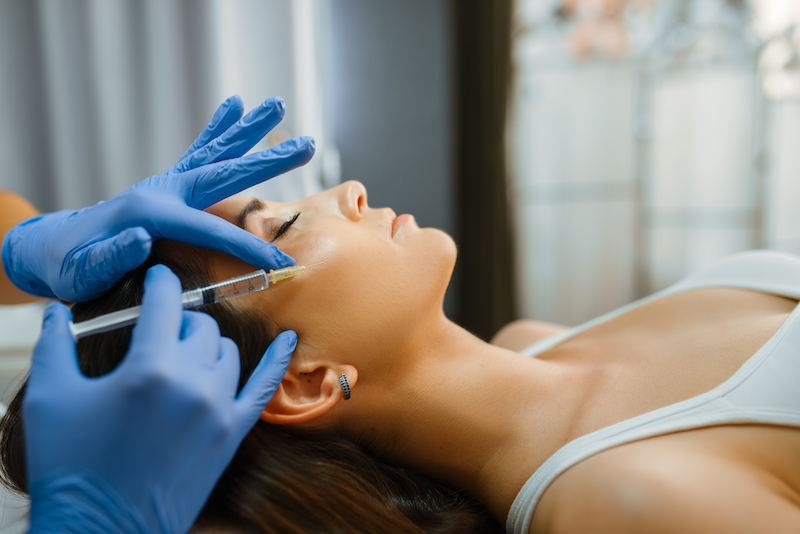
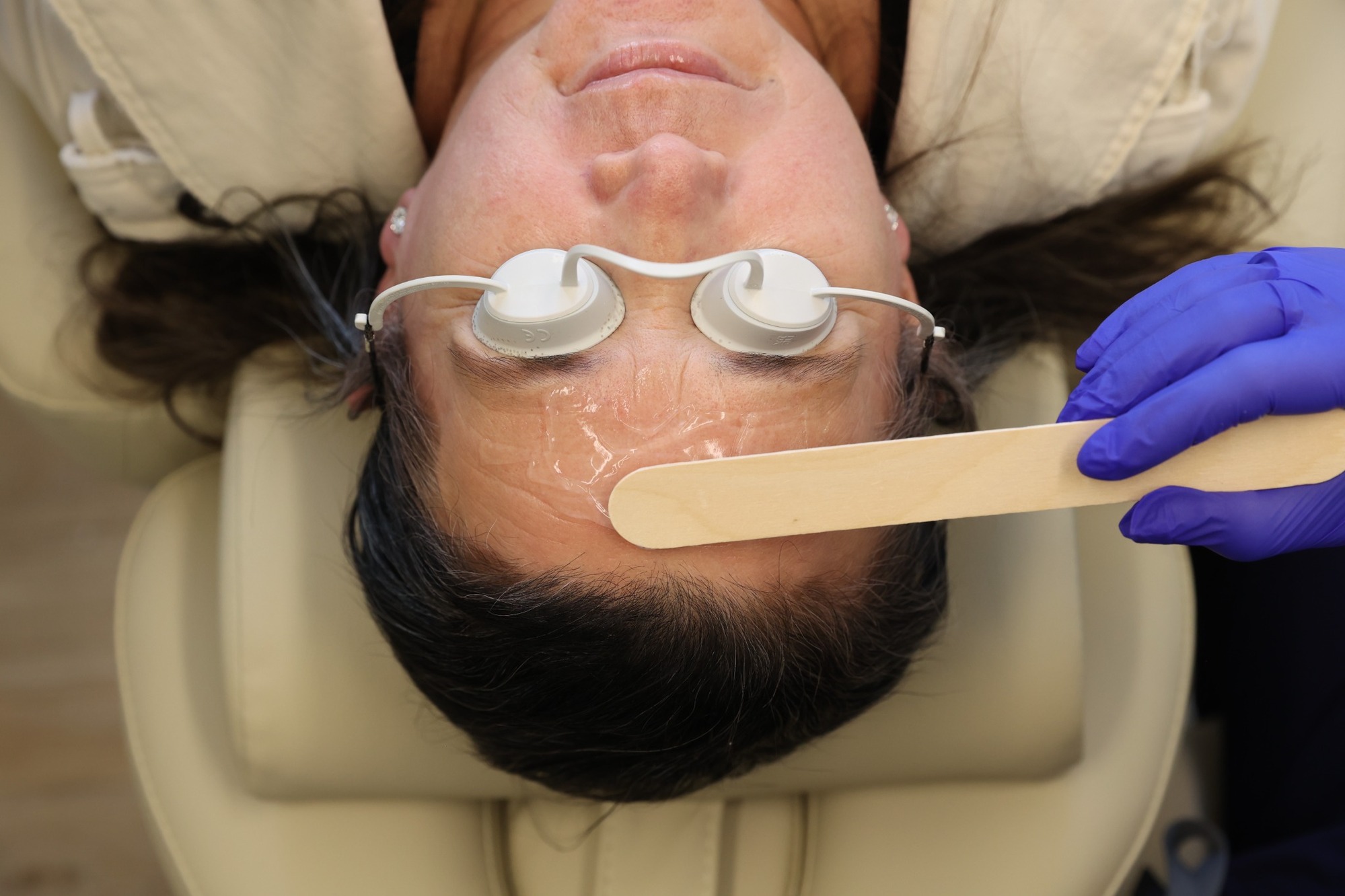
If summer has left behind uneven tone, rough texture, sun damage, or a complexion that simply feels like it could use a refresh, you may be considering a professional skin resurfacing treatment.
Two popular options are chemical peels and laser resurfacing. Both can help improve the appearance and overall quality of your skin, but they work in very different ways.
So, how do you know which one is right for you?
The answer depends on your skin, your specific concerns, the results you want to achieve, and how much downtime you are comfortable with. At Beyond Esthetics, we create personalized treatment plans based on all of these factors rather than taking a one size fits all approach.
Here is what you should know about chemical peels and laser resurfacing before choosing your next treatment.
What Is a Chemical Peel?
A chemical peel is a skin resurfacing treatment that uses a carefully selected solution to exfoliate damaged outer layers of the skin and encourage fresh, healthier looking skin to emerge.
Chemical peels are available in different strengths, which means the treatment can be customized based on your skin and goals. A lighter peel may provide gentle exfoliation and a refreshed glow, while a more intensive peel can target more noticeable concerns.
Chemical peels may be a good option if you are looking to improve:
- Dull or uneven skin tone
• Rough texture
• Fine lines
• Sun damage and discoloration
• The appearance of certain types of acne and post acne marks
• Overall skin clarity and radiance
One of the advantages of chemical peels is their versatility. Your provider can select the appropriate type and strength of peel based on your skin and the concerns you want to address.
What Is Laser Resurfacing?
Laser resurfacing takes a different approach.
Rather than using a chemical solution to exfoliate the skin, laser treatments use controlled energy to target specific layers of the skin. Depending on the technology and treatment settings, laser resurfacing can address concerns at the surface while also stimulating the skin’s natural renewal processes.
This makes laser resurfacing an excellent option for patients looking for more significant skin rejuvenation.
Laser resurfacing may help improve the appearance of:
- Fine lines and wrinkles
• Uneven skin texture
• Sun damage
• Areas of pigmentation
• Acne scars and other textural concerns
• Enlarged pores
• Overall skin quality
Some laser treatments can also stimulate collagen production, helping the skin gradually look smoother, firmer, and more refreshed as it heals.
Chemical Peel or Laser Resurfacing?
Although both treatments can improve skin tone and texture, the best choice depends on what is happening with your skin.
If Your Skin Looks Dull or Congested
A chemical peel may be a great place to start.
By removing accumulated dead skin cells from the surface, a peel can help reveal a smoother and brighter looking complexion. Chemical peels can also be incorporated into an ongoing skincare routine to help maintain healthy looking skin.
If You Are Concerned About Uneven Pigmentation
Both treatments may be options depending on the type and depth of the pigmentation.
Chemical peels can help address discoloration closer to the surface of the skin, while certain laser treatments can target more specific pigmentation concerns.
However, pigmentation can be complex. Choosing the wrong treatment for your skin type or condition can potentially make discoloration worse, which is why a professional skin evaluation is so important.
If Texture Is Your Biggest Concern
Laser resurfacing may offer a more intensive approach for concerns such as uneven texture or acne scarring.
Because laser technology can work at different depths within the skin, treatments can be customized to encourage skin renewal and collagen production beyond what surface exfoliation alone can accomplish.
For milder texture concerns, a chemical peel may still provide the level of resurfacing you need.
If Fine Lines Are Starting to Appear
Again, either treatment may have a role.
Chemical peels can help smooth the skin’s surface and improve the appearance of fine lines. Laser resurfacing can provide a deeper rejuvenation option when lines, texture changes, and loss of skin quality are more noticeable.
The right treatment depends on the degree of correction you are looking for and how aggressive you want your treatment plan to be.
What About Downtime?
Downtime is another important consideration when choosing between a chemical peel and laser resurfacing.
With a chemical peel, downtime can vary significantly based on the strength of the treatment. A light peel may involve minimal visible peeling, while a stronger peel can cause several days of noticeable flaking or peeling as the skin renews itself.
Laser resurfacing downtime also varies based on the type and intensity of treatment performed. Some treatments are designed to offer relatively quick recovery, while more intensive resurfacing may involve redness, sensitivity, flaking, or other temporary changes while the skin heals.
If you have an event, vacation, or important date coming up, make sure to tell your provider. Your treatment can be planned with your schedule and recovery time in mind.
Why Sun Exposure Matters
Sun protection is always important, but it becomes especially important when you are considering resurfacing treatments.
Chemical peels and laser treatments can temporarily make treated skin more sensitive to UV exposure. Too much sun before or after certain treatments may also increase the risk of irritation or unwanted pigmentation.
That is one reason many people begin thinking about more intensive skin treatments as summer winds down and their schedules involve less prolonged sun exposure.
No matter when you schedule your treatment, daily broad spectrum SPF and following your provider’s pre and post treatment instructions are essential.
Can Chemical Peels and Laser Treatments Be Used Together?
Choosing between a chemical peel and laser resurfacing does not necessarily mean choosing one treatment forever.
Your skin changes throughout the year, and different concerns may benefit from different approaches. A personalized skin plan may incorporate chemical peels, laser treatments, professional skincare, and other aesthetic treatments at different times to support your long term goals.
The key is determining what your skin needs now and building from there.
Start With Your Skin, Not the Treatment
It is easy to see a treatment online and decide that it must be the solution for your skin. But two people with similar looking concerns may need completely different approaches.
Your skin type, pigmentation, sensitivity, history of sun exposure, current skincare routine, previous treatments, and goals can all influence which resurfacing treatment is appropriate for you.
At Beyond Esthetics in Annandale, Virginia, we can evaluate your skin, talk through the changes you would like to see, and recommend a treatment plan designed around your individual needs.
Whether that means starting with a chemical peel, exploring laser resurfacing, or combining professional treatments with a customized skincare routine, the goal is the same: healthier looking skin and results that make sense for you.
Ready to find the right treatment for your skin? Schedule a consultation with Beyond Esthetics and let us create a personalized plan for your skin goals.